
What Is CBD? A Beginner’s Guide to Cannabidiol
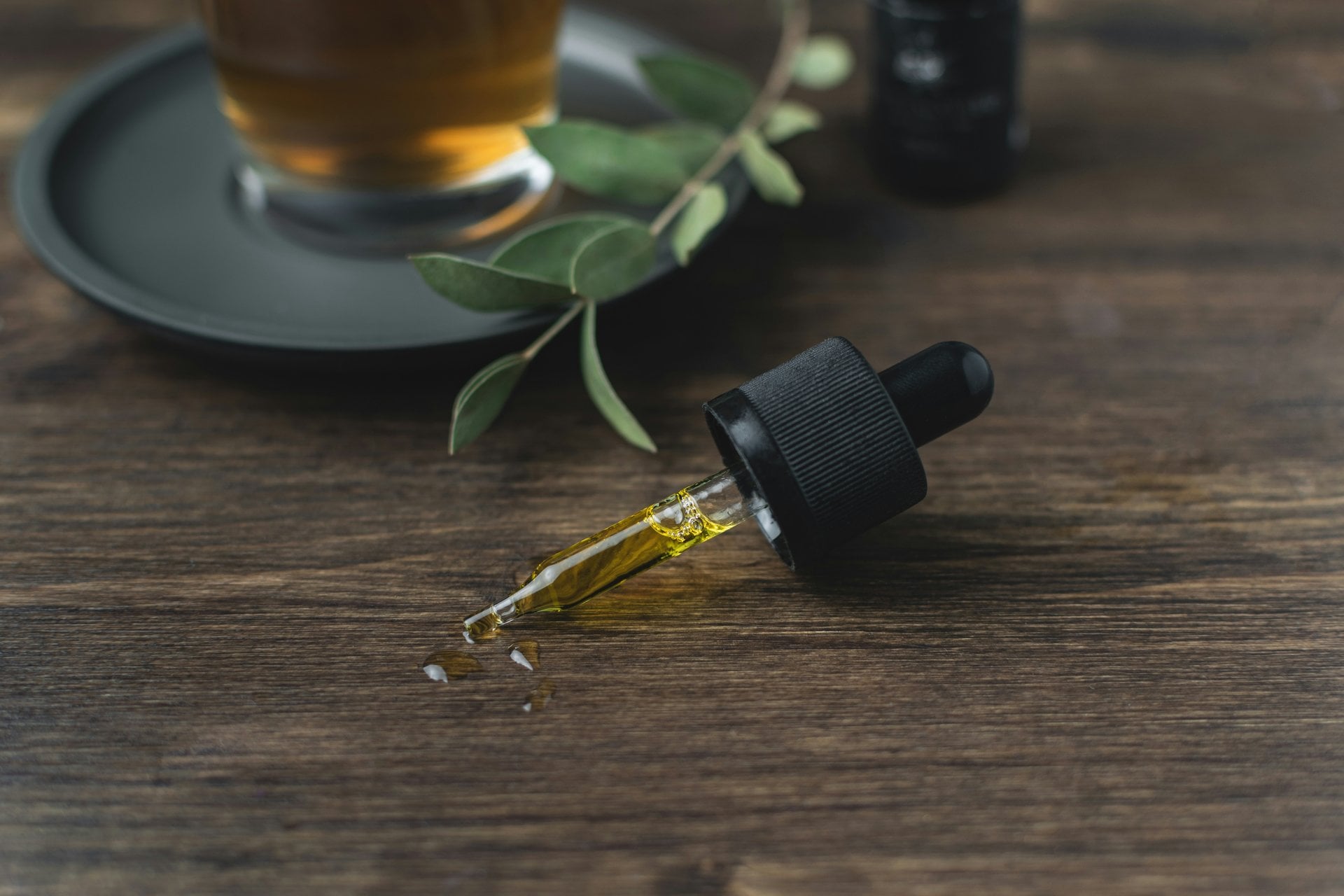
Not everything on dispensary shelves is designed to get you high. CBD products have become a staple of the modern cannabis retail experience, and they don’t get you high one bit. There are other reasons why CBD is on those shelves and why it’s so big in the cannabis community, and if you’re interested in learning more, you’re at the right place.
What Is CBD (Cannabidiol)?
Cannabidiol, or CBD, is one of over 100 naturally occurring chemical compounds called cannabinoids found in the Cannabis sativa plant. It's the second most abundant cannabinoid after THC, but unlike THC, it's non-intoxicating, meaning it doesn't produce the euphoric "high" cannabis is traditionally associated with.
CBD works by interacting with the body's endocannabinoid system (ECS), a network of receptors and signaling molecules that plays a role in regulating processes like mood, sleep, pain perception, and immune response. Rather than binding directly to cannabinoid receptors the way THC does, CBD influences the ECS more indirectly, which is part of why it doesn't cause intoxication.
CBD can be extracted from both hemp and marijuana plants, which are both varieties of Cannabis sativa. Most CBD products sold commercially are derived from hemp, which is legally defined in the U.S. as cannabis containing less than 0.3% THC.
CBD vs. THC: What’s the Difference?
CBD and THC are the two most well-known cannabinoids, and while they share the same molecular formula, they behave differently in the body. Here's a quick breakdown.
| CBD | THC | |
|---|---|---|
| Produces a “high”? | No | Yes |
| Binds to CB1 receptors? | Indirectly | Directly |
| Federally legal (hemp-derived)? | Currently yes (under 0.3% THC, with law changing in Nov. 2026, which may impact some full spectrum CBD products) | No (federally controlled, but legal in some states) |
| Common uses | Relaxation, sleep, discomfort | Euphoria, appetite, pain, creativity |
| Shows up on a drug test | Highly unlikely | Yes |
| Available at dispensaries? | Yes | Yes |
The key takeaway here is that THC is what gets you high, and CBD is not. Many products combine both, offering a middle ground for people who want some of THC's effects alongside CBD's more grounding influence.
Types of CBD: Full Spectrum, Broad Spectrum, and Isolate
Not all CBD products are made the same way. The three main types refer to how much of the hemp plant's natural chemistry is retained in the final extract:
- Full spectrum CBD: Preserves the plant's full range of cannabinoids and terpenes, including trace amounts of THC (under 0.3%). Many people prefer it for the potential synergistic effect of multiple compounds working together, sometimes called the entourage effect.
- Broad spectrum CBD: Keeps the cannabinoids and terpenes but removes THC entirely, making it a popular choice for people who want more than just CBD but need to avoid THC for personal or professional reasons.
- CBD isolate: The most refined form. Pure CBD with everything else removed, including other cannabinoids, terpenes, and any trace of THC. It's tasteless and odorless, making it easy to add to other products.
Which type is right for you depends on your goals, your sensitivity to THC, and whether you're subject to drug testing.
What Do People Use CBD For?
CBD has attracted attention for a wide range of uses, though it's important to be clear that most of the evidence is still emerging. The FDA has not approved CBD for the treatment of any condition other than a specific prescription medication (Epidiolex) for rare forms of epilepsy.
What follows is based on what people commonly report, not established medical fact. With that said, some of the most common reasons people turn to CBD include:
- Relaxation and stress relief: Many people report a general sense of calm after taking CBD, making it a popular choice for winding down after a long day
- Sleep support: CBD is widely used as part of a nighttime routine, with people reporting it helps them fall asleep more easily or stay asleep longer
- Discomfort and inflammation: Topical and ingestible CBD products are commonly used for muscle soreness, joint stiffness, and general physical discomfort after exercise or physical activity
- Mood support: Some consumers incorporate CBD into their daily routine as a way to feel more balanced and even-keeled, particularly during stressful periods
Individual experiences vary, and what works well for one person may have a different effect for another. Starting with a low dose and adjusting gradually is generally recommended, especially for first-time users.
Types of CBD Products (It's Not Just CBD Oil!)
CBD is available in more formats than most people realize, each with its own onset time, duration, and best use case:
- Tinctures and oils: Taken by placing drops under the tongue, tinctures absorb relatively quickly and allow for flexible dosing.
- Gummies and edibles: Pre-dosed, easy to take, and discreet, though they take longer to kick in since they pass through the digestive system
- Capsules and softgels: A convenient, consistent option for people who want to build CBD into a daily supplement routine.
- Topicals: Creams, balms, and salves applied directly to the skin for localized use, without entering the bloodstream.
- Vapes and flower: Inhalation offers the fastest onset, though it's less common in the CBD-only category than in THC products, and availability varies.
Is CBD Legal?
Hemp-derived CBD products containing less than 0.3% THC are federally legal in the United States under the 2018 Farm Bill. In Michigan, both hemp-derived CBD and cannabis-derived CBD products are available through licensed dispensaries like ours, with state-regulated lab testing ensuring that what's on the label matches what's in the product.
Does CBD Show Up on a Drug Test?
CBD itself is not what standard drug tests screen for. They look for THC metabolites. That said, the type of CBD product you use matters.
Full spectrum products contain trace THC, which can accumulate with regular use and potentially trigger a positive result. Broad spectrum and isolate products carry significantly less risk, but no CBD product comes with an absolute guarantee. If drug testing is a concern, look for products with third-party lab results confirming non-detectable THC levels, and consider speaking with your employer or a healthcare provider before use.
Find the Right Cannabis Product at Quality Roots
We know firsthand how overwhelming all the information out there and the options can feel for first-time users. That’s why we made this article and why we invite you to drop by your nearest dispensary location and have a chat with our team. Feel free to ask or tell them anything you want to know because they’re equipped with the right tools to help you choose something that fits your needs.