
A Beginner-Friendly Guide to THC (Tetrahydrocannabinol)
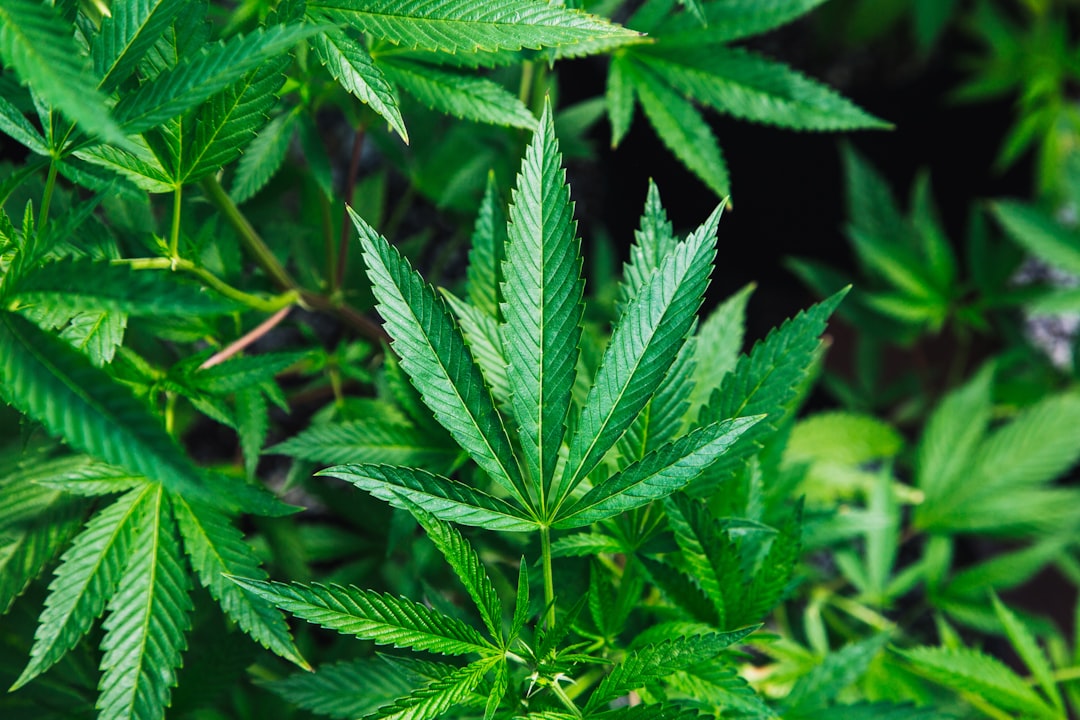
If you're new to cannabis, THC is probably the term you've heard more than any other, and there’s a good reason for that. It's the compound most responsible for cannabis's signature effects, and understanding it is the first step toward navigating a dispensary menu with confidence.
What Is THC?
THC, short for tetrahydrocannabinol, is the primary psychoactive compound found in the cannabis plant. It's one of well over a hundred cannabinoids cannabis produces, but it's the one most responsible for the intoxicating, euphoric effects typically associated with getting "high."
THC is produced by the plant in an inactive acidic form called THCA, which converts into active THC when exposed to heat, through a process called decarboxylation. That's why raw cannabis doesn't produce a high on its own and needs to be smoked, vaporized, or otherwise heated first.
How THC Works in the Body
THC produces its effects by interacting with the body's endocannabinoid system, a regulatory network involved in mood, appetite, memory, and sleep, among other functions. Specifically, THC binds to CB1 receptors, which are concentrated in the brain and central nervous system. That interaction is what triggers the psychoactive effects people associate with cannabis use.
Factors like dose, tolerance, individual body chemistry, and even what you've eaten that day all play a role in how marijuana will affect you. THC doesn't affect every person (or even the same person on different days) the same. This is part of why starting with a low dose and paying attention to your own response is better than following anyone else's general rule of thumb.
Types of THC Products
The method of consumption has a direct impact on how quickly THC takes effect and how long it lasts. THC products come in a range of forms, each with a different onset time and duration:
- Flower and pre-rolls: Smoked, with effects typically felt within minutes.
- Vaporizers and cartridges: Also fast-acting, generally within minutes.
- Edibles: Gummies, chocolates, infused foods, and drinks have a notably delayed onset (often 30 minutes to 2 hours) and longer-lasting effects.
- Tinctures: Taken under the tongue, with onset somewhere between inhalation and edibles.
- Concentrates: More potent extracts, typically consumed with specialized devices.
Because edibles take longer to kick in, they're one of the most common sources of unintentionally overdoing it, which means patience matters more with this method than with any other.
Potential Effects (and Side Effects) of THC
THC affects everyone differently, so it’s hard to predict its effects. That said, there are some effects that tend to show up more than others. Here's what people usually report experiencing:
- Euphoria and mood elevation
- Heightened sensory perception (colors, sounds, and flavors may feel more vivid)
- Increased appetite (the "munchies" are real and well-documented)
- Relaxation and stress relief
- Altered sense of time
- Short-term memory changes while under the effects
- Dry mouth and, in some cases, dry eyes
At ligher doses or for less experienced consumers, THC can also produce anxiety, paranoia, or an elevated heart rate. This is why starting low and going slow is the most consistent advice across the board, especially when trying a new product or consumption method for the first time.
THC Percentage: What It Does (And Doesn’t) Tell You
Dispensary labels typically list a THC percentage, and it's tempting to treat that number as the whole story. It's an important data point, but a product's overall effect is also shaped by its terpene profile (the aromatic compounds responsible for flavor and scent) and by the presence of other cannabinoids like CBD or CBG, which can significantly change how a given THC percentage actually feels in practice.
That means that two products with an identical THC percentage can produce noticeably different experiences depending on everything else in the jar.
THC vs. CBD: A Quick Comparison
| THC | CBD | |
|---|---|---|
| Full name | Tetrahydrocannabinol | Cannabidiol |
| Psychoactive? | Yes | No |
| How it works | Binds directly to CB1 receptors in the brain | Interacts indirectly with the endocannabinoid system |
| Commonly reported effects | Euphoria, relaxation, altered perception, and increased appetite | Calm and reduced tension, with no high |
| Potential side effects | Anxiety, dry mouth, and short-term memory changes at high doses | Generally well tolerated, but may cause drowsiness |
| Found in | Cannabis flower, concentrates, edibles, and vapes | Hemp products, CBD oils, tinctures, topicals, and some cannabis products |
Many products today combine the two in varying ratios, which is worth knowing if you're specifically looking to moderate THC's more intense effects. A higher CBD-to-THC ratio is generally associated with a gentler, less intense experience, though research in this area is still evolving, and individual results can vary.
How Much THC Should a Beginner Take?
The recommended starting point across adult-use and medical marijuana is 2.5–5mg for edibles, and one to two puffs for inhalation. After that, you should wait and pay attention before adding more. The goal for a first experience is to get familiar with how your body responds and build from there.
Get Your Cannabis Products From a Reputable Vendor
The other piece of the puzzle is where you're buying from. A licensed, reputable dispensary means every product on the shelf has been lab-tested for potency and purity, so the THC percentage you're reading is one you can trust. That's not a given with unregulated products bought off the street or from a gas station.
If you're still figuring out what fits you best, our budtenders at Quality Roots are always happy to walk you through the options. Find your nearest dispensary location, bring your questions, and we'll help you find something that matches exactly what you're looking for.