
Cannabinoids: Everything You Should Know
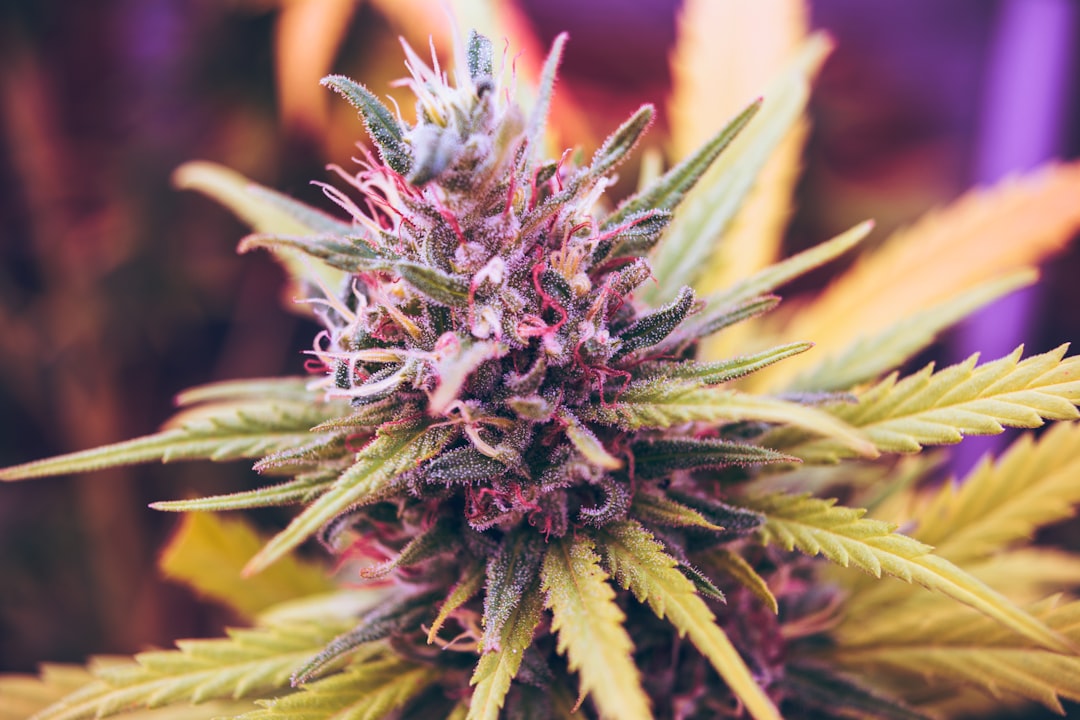
The majority of cannabis enthusiasts have heard about cannabinoids, or at least heard about THC and CBD. But many people have no idea what they are or how they work. Here's everything you should know to understand cannabinoids better and why they are an essential part of every cannabis product!
Acidic vs. Synthetic vs. Endocannabinoids
In general, cannabinoids are naturally produced chemical compounds within the cannabis plant. Cannabinoids are produced by trichomes, mushroom-shaped resin glands that coat the various parts of the mature cannabis plant. There are distinct categories of cannabinoids that make them differ from one another, including:
Acidic Cannabinoids
Acidic cannabinoids are actually a form of natural cannabinoids before being decarboxylated. The process of decarboxylation, caused by heat, turns raw, acidic cannabinoids like THCa into its non-acidic form, THC. The main difference between these two is that the acidic one is non-psychoactive, meaning that it would not cause intoxicating, 'high' effects when ingested, they need to be decarboxylated.
Synthetic Cannabinoids
Compared to other types of cannabinoids, synthetic cannabinoids are lab-made and created with the sole purpose of mimicking natural cannabinoids and their effects. Unfortunately, in most cases they are illicitly made and can potentially cause serious health risks due to the lack of regulations. To ensure safety and efficiency, always buy your cannabis products from reputable, licensed dispensaries.
Endocannabinoids
There are lipid-based neurotransmitters in the human body called endocannabinoids or endogenous cannabinoids. They are naturally produced and interact with the endocannabinoid system (ECS), binding to CB1 and CB2 receptors, which are responsible for regulating mood, pain, appetite, amongst other things.
Major Cannabinoids
There are over 100 known cannabinoids found in the cannabis plant, but not all of them are abundant. THC and CBD are considered some of the most common types of cannabinoids, dominating the cannabis industry. Many cannabis products are either THC dominant, CBD dominant, or contain a balanced ratio of various cannabinoids for a balanced experience.
Tetrahydrocannabinol, also known as THC or Delta-9 THC, is the primary psychoactive cannabinoid that causes the intoxicating, 'high' effects. Cannabidiol, also known as CBD, is another major cannabinoid, best known for potential therapeutic effects. Both play a major role in the cannabis industry, for recreational and medical purposes.
Other types of psychoactive cannabinoids that are found in cannabis include:
- Delta-8 Tetrahydrocannabinol (Delta-8 THC)
- Delta-10 Tetrahydrocannabinol (Delta-10 THC)
- Tetrahydrocannabivarin (THCV)
- Tetrahydrocannabiphorol (THCP)
More non-intoxicating cannabinoids that are found in cannabis include:
- Cannabinol (CBN)
- Cannabigerol (CBG)
- Cannabichromene (CBC)
- Cannabidivarin (CBDV)
How Cannabinoids Impact the Body?
Cannabinoids have a specific mechanism of action after being consumed. They interact with the body's endocannabinoid system (ECS), which is responsible for regulating mood, sleep, appetite, and other bodily functions. Cannabinoids target and bind to specific receptors throughout the body, such as CB1, which is connected to the brain and central nervous system, and CB2, which is connected to peripheral tissues and the immune system.
Dosage and exact cannabinoid content directly impact what kind of experience the consumer will get. Many factors play a role in this, including the method of consumption, which can affect the onset and duration of effects, as some methods allow cannabinoids to enter the bloodstream more quickly. Personal tolerance and experience also play a role, thats why it's recommended for beginners to start slowly. Metabolism is also another factor, taking edibles on an empty or full stomach can impact the overall experience!
How to Consume Cannabinoids?
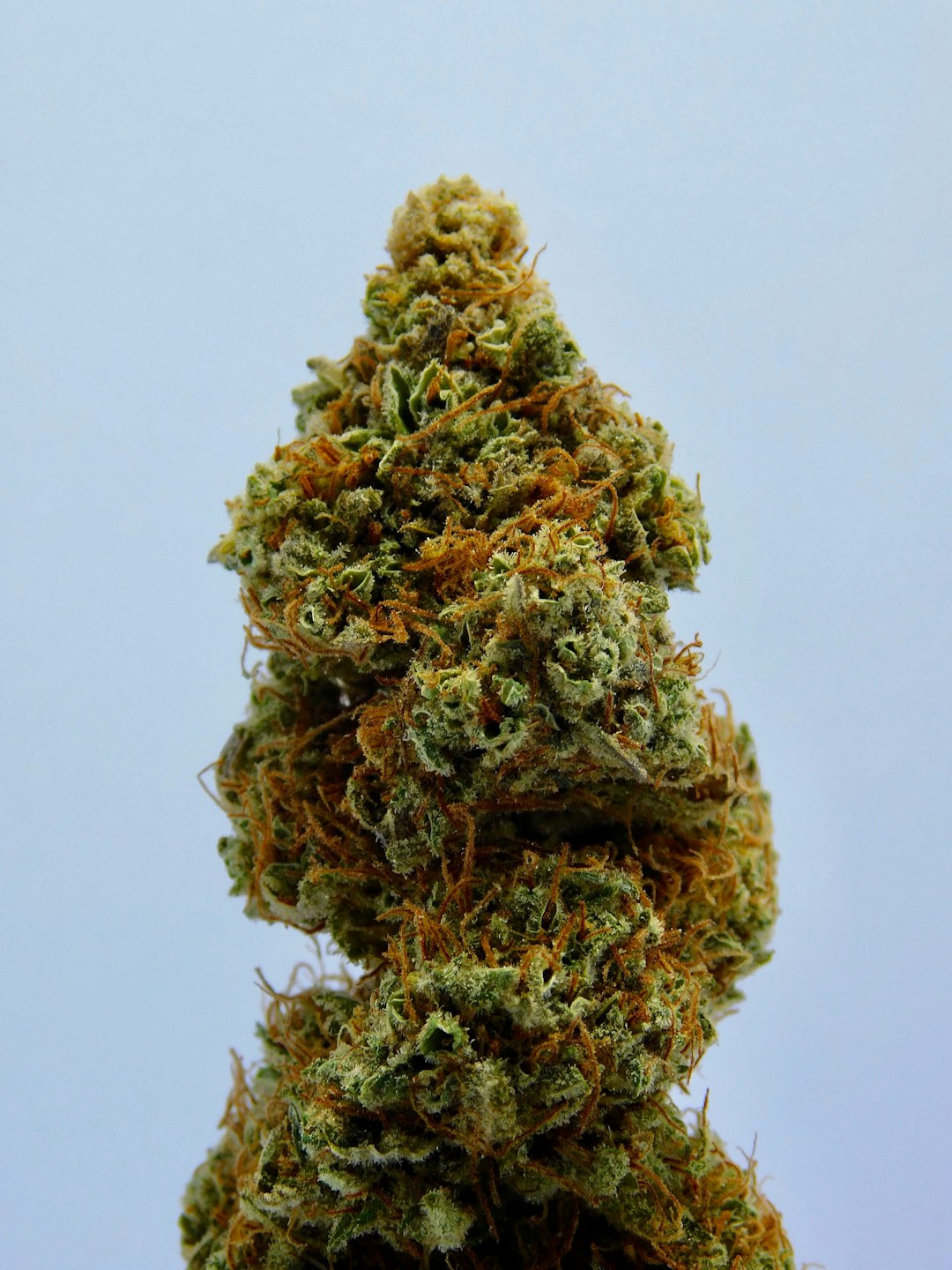
Cannabinoids are consumed through cannabis products, which come in various forms and consumption methods. The most common cannabis products include:
- Flower: available in a variety of forms, including whole flower (loose buds), ground flower, trim, shake
- Pre-rolls and infused pre-rolls: ready-to-smoke products, pre-rolled with ground cannabis, available in classic and infused options.
- Vaporizers: disposable all-in-one vape pens and cartridges are popular picks for those who want fast-acting, easy, and discreet use
- Concentrates: popular amongst experienced cannabis connoisseurs, concentrates are for those seeking a potent, flavorful experience
- Edibles: foods and drinks infused with premium THC, CBD, or carefully formulated ratios for balanced effects
- Topicals: creams, balms, body oils, and patches infused with premium THC, CBD, or carefully formulated ratios for balanced effects
- Tinctures: easy-to-use liquid edibles that can be combined with foods and beverages or taken sublingually (under the tongue)
- Pills and capsules: for people who prefer easy-to-dose, discreet, and simple cannabis products
Why Are Cannabinoids Important?
The potential therapeutic benefits and psychoactive effects of cannabis are the sole reason why cannabis use is so popular. The potential of cannabis products is endless, all thanks to cannabinoids, as products can be altered to provide desired potency and overall experience.
Differentiating cannabinoids and understanding how they work can truly elevate your cannabis experience and help you choose the right product for you! Find your nearest dispensary and get familiar with the wide range of premium products that are available.