
THCA vs. THC: What's the Difference?
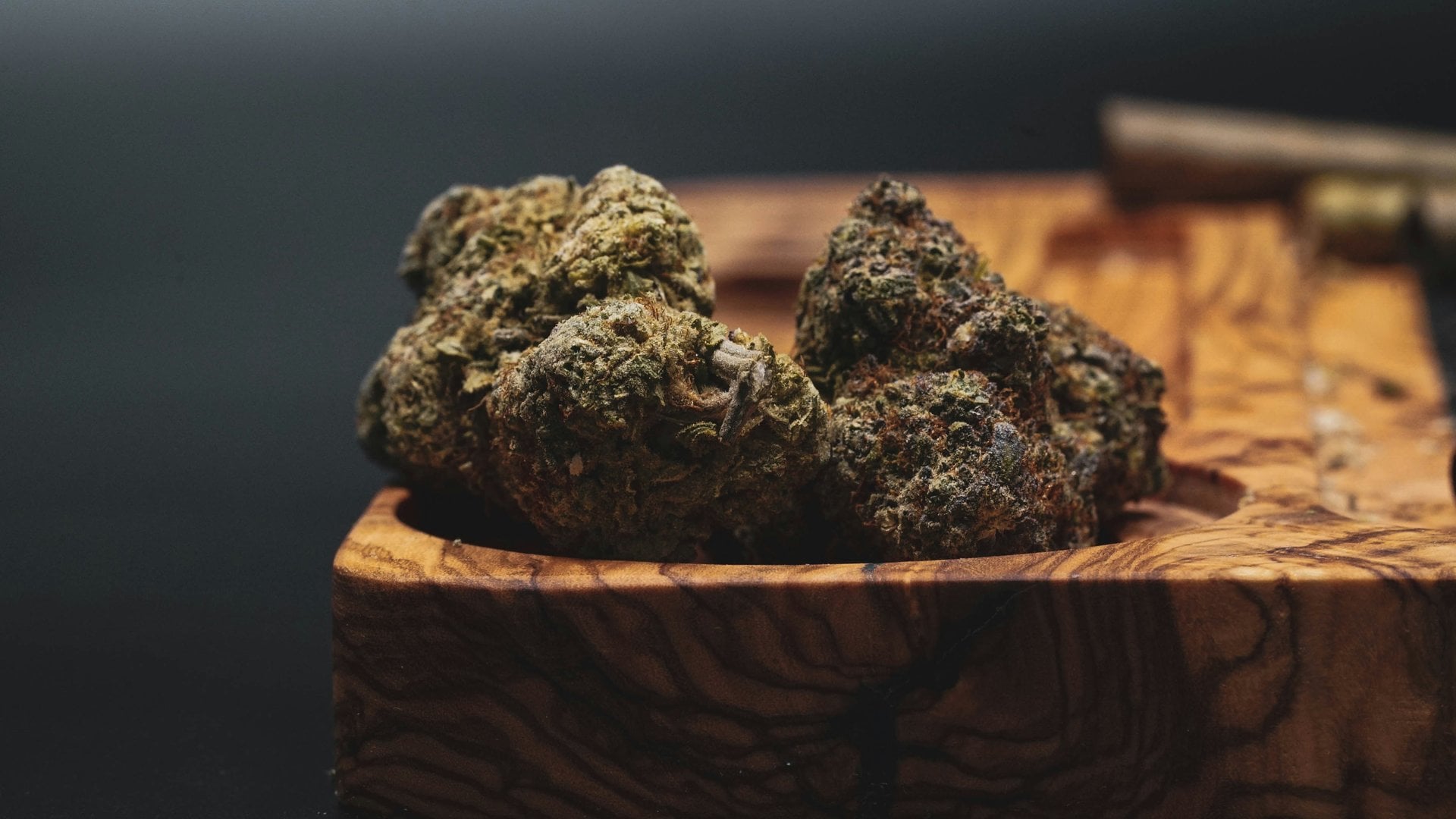
You probably noticed that each cannabis product has a THCA and a THC number, and that the number next to THCA is often much higher than the one next to THC for the same product. It’s neither a typo nor does it list two separate ingredients. It’s actually the key to understanding how cannabis gets you high in the first place.
What’s the Difference Between THCA and THC?
THCA (tetrahydrocannabinolic acid) is the compound that cannabis plants naturally produce as they grow. Living, unheated cannabis doesn’t contain significant amounts of THC at all. It contains THCA, its non-intoxicating precursor. That means fresh cannabis flower, straight off the plant, technically won’t get you high, no matter how much of it you consume raw.
THC only appears once THCA goes through a chemical transformation called decarboxylation, losing a carboxyl group (a specific cluster of atoms) when exposed to heat. That small structural change is what activates THC’s psychoactive potential, converting the acidic, inactive THCA into the compound that binds to receptors in the brain and produces the "high."
Decarboxylation: Where the Magic (Chemistry) Happens
Decarboxylation happens whenever cannabis is heated, which is why smoking, vaping, and dabbing all get you high, even though the flower itself is mostly THCA before you light it. The heat from combustion or vaporization converts THCA into THC instantly.
Cannabis that isn't heated doesn't produce psychoactive effects. This is why:
- Raw cannabis juicing or eating unheated flower won't produce a high, despite containing plenty of THCA.
- Edibles require a deliberate decarboxylation step during manufacturing, just as flower has to be baked at a controlled temperature before infusion, or the resulting product will contain mostly THCA with little to no active THC.
- Tinctures and concentrates vary depending on whether the manufacturer decarboxylates the material before or during extraction.
Why the Label Shows Two Different Numbers
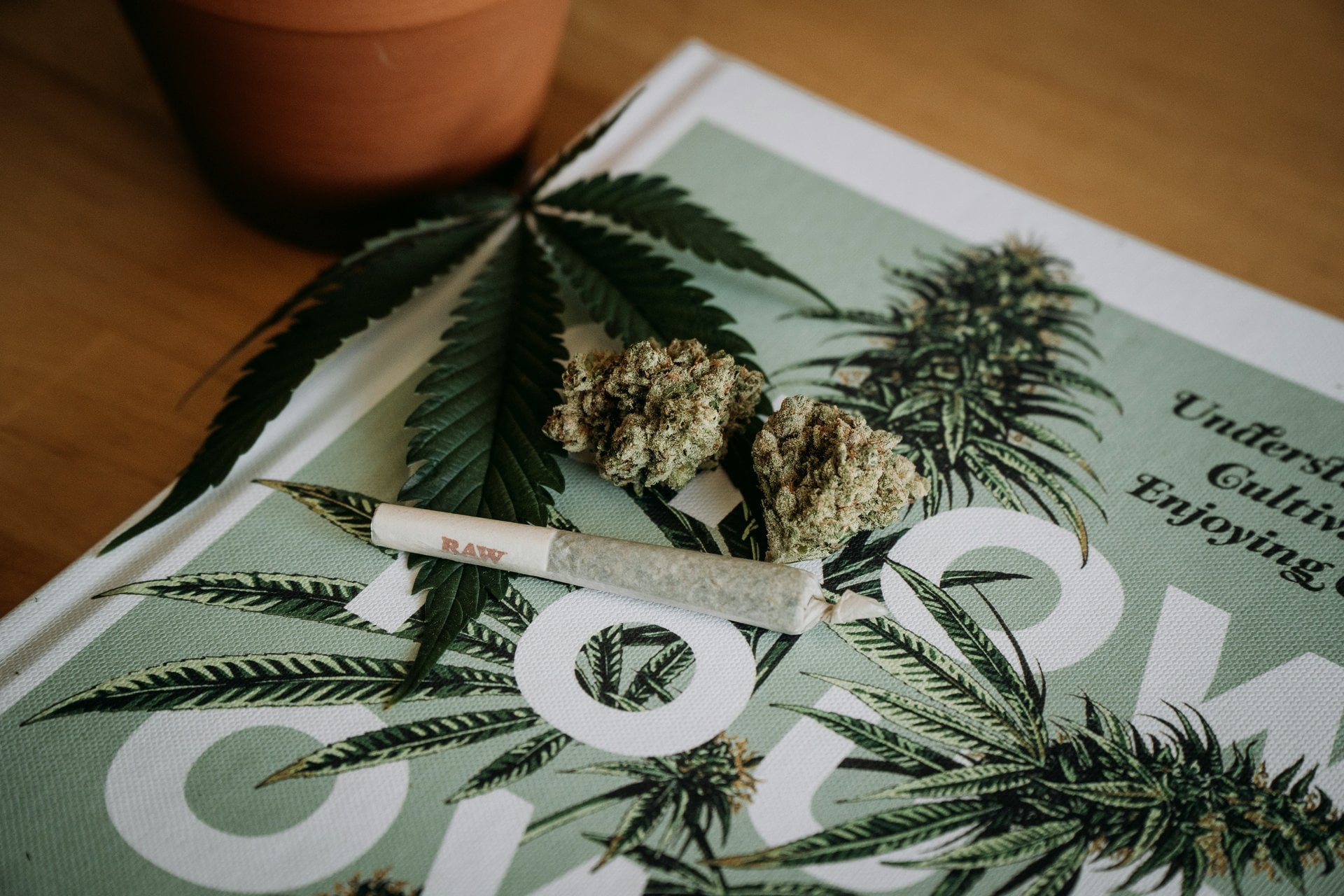
This is where a lot of confusion comes from. Dispensary labels often list both THCA and THC percentages, and the two numbers can look dramatically different. A flower might show 28% THCA and only 0.8% THC.
That gap doesn’t necessarily reflect a weak product but the fact that raw flower is mostly THCA until it's heated. Because THCA converts to THC at roughly an 87% efficiency rate when fully decarboxylated (some mass is lost as carbon dioxide during the reaction), labs typically calculate a "total potential THC" figure using a standard formula: THCA × 0.877 + existing Delta-9 THC.
That total is generally a much more accurate prediction of how strong the product will feel once it's smoked or vaped than the raw THC number alone.
Why This Matters When You’re Buying
The THCA/THC relationship can be useful information for predicting your experience:
- A high THCA percentage is a reliable indicator of possible potency once the product is heated and arguably a better predictor than the small Delta-9 THC number alone.
- Products meant to be consumed raw or without heat (some tinctures, certain topicals) will have little to no psychoactive effect regardless of THCA content, since it never converts.
- Fresh-frozen or "live" products sometimes preserve higher THCA content specifically because the plant material is never dried or cured with heat. That is part of why some concentrates made this way test unusually high on THCA before use.
At a licensed dispensary, all of this is already accounted for in lab testing and labeling. Knowing what those two numbers on the jar actually mean makes it much easier to compare products and set real expectations before you buy.
We’re Always Here to Help
THCA and THC aren't two different things, but the same molecule at two different stages, separated by heat. The plant makes THCA, while combustion, vaping, or cooking turns it into THC. If you're ever unsure what a specific product's numbers mean for your experience, feel free to ask our budtenders at your nearest Quality Roots location. They’ll explain it all in simple terms so you end up getting the right product for yourself.