
Organic Cannabis: What Consumers Need to Know
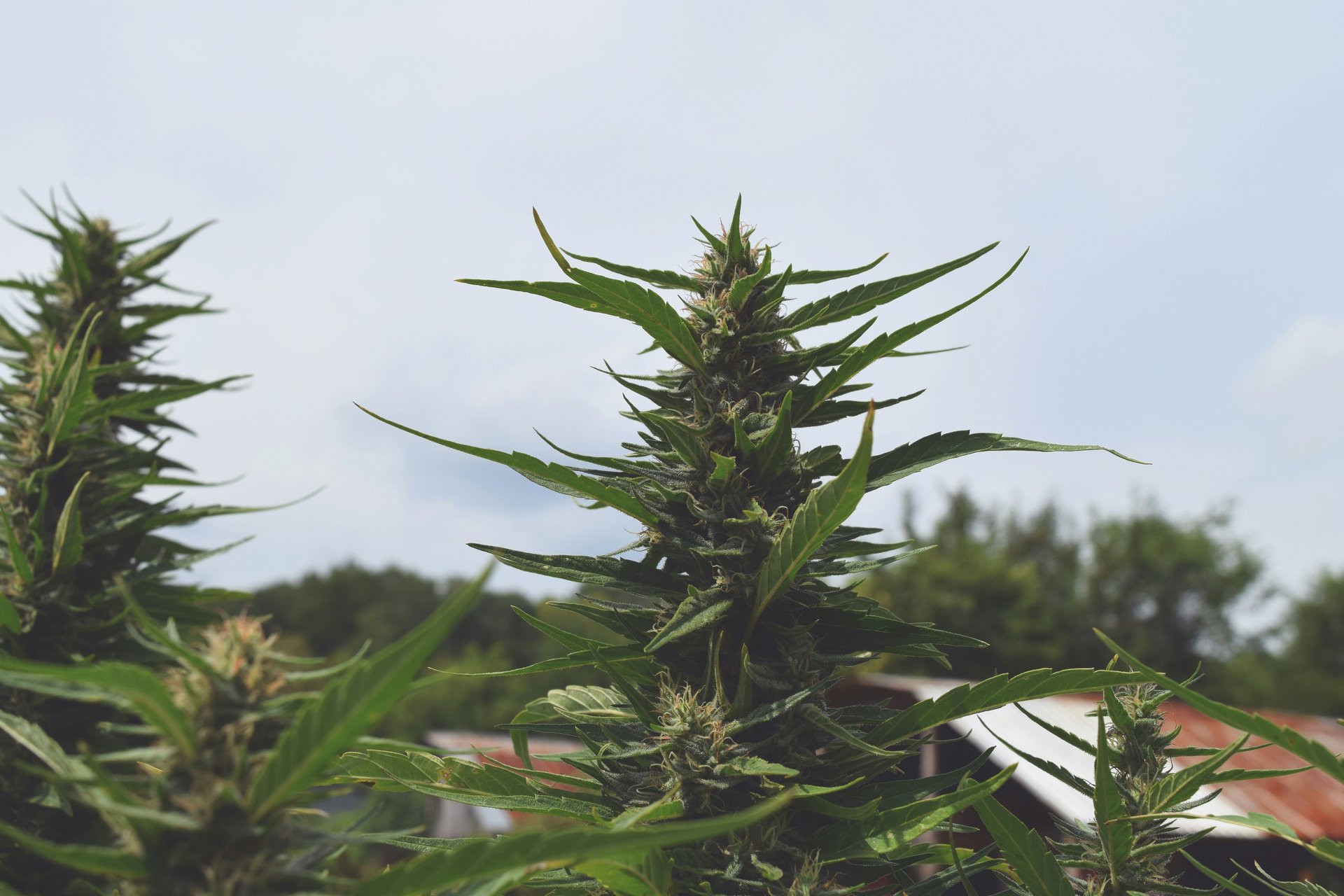
Getting yourself organic produce is fairly simple, right? All you need to confirm what you got is organic is the USDA seal. With cannabis, it’s a little more complicated than that. But knowing how to tell the difference between a product that meets organic standards and one that's just using the word as a marketing tool pays off.
Can Cannabis Be Certified Organic?
Technically, no. Not by the USDA, anyway. Because cannabis remains a federally controlled substance, the USDA does not recognize it as a legitimate agricultural crop eligible for its official organic certification. That means no matter how cleanly a cannabis plant is grown, a dispensary cannot legally slap a USDA Organic seal on it.
What exists instead are third-party certification programs specifically designed to fill that gap:
- Clean Green Certified: One of the oldest and most recognized programs in the industry, based on National Organic Program standards, plus requirements for fair labor and environmentally responsible practices.
- Certified Kind: Widely considered the closest equivalent to USDA Organic for cannabis, offering independent verification that crops are grown without synthetic pesticides, herbicides, or chemical fertilizers.
- Sun+Earth Certified: Focuses on regenerative farming, fair treatment of workers, and community relationships alongside pesticide-free growing practices.
When a cannabis brand or grower says their product is organic, what they typically mean is that it's been grown according to the principles these programs evaluate or that they follow those standards without having pursued formal certification.
What Makes Cannabis Organic in Practice?
Organic cannabis cultivation generally comes down to what growers put into the soil and how they manage the plant's environment.
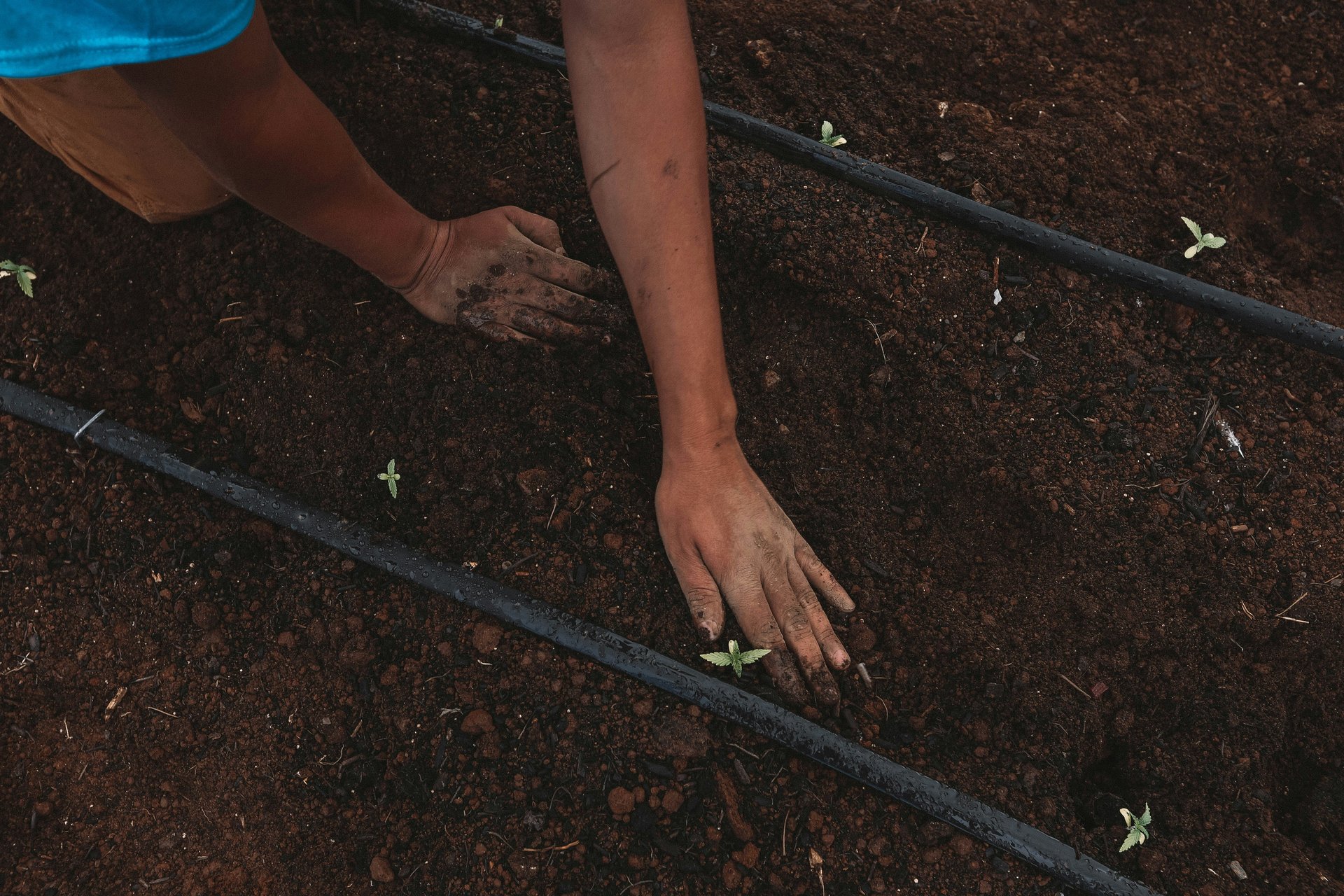
That translates to avoiding synthetic pesticides in favor of natural pest management, like introducing beneficial insects or using companion planting instead of chemical sprays. It also means skipping chemical fertilizers in favor of living or composted soil amendments that feed the plant more slowly and naturally.
Organic growers also tend to favor non-GMO genetics and pay closer attention to sustainable water use, rather than treating water and inputs as unlimited resources to solve problems quickly.
Organic Cannabis vs. Standard Cannabis: What’s the Difference?
Here’s how organic and standard cannabis compare when they’re stacked side by side and evaluated on counts that tend to matter the most to consumers.
| Organic Cannabis | Standard Cannabis | |
|---|---|---|
| Pesticide residue | None (if certified or properly tested) | Possible, depending on brand and testing |
| Soil inputs | Natural, composted, or living soil | May include synthetic fertilizers |
| Certification | Clean Green, Certified Kind, or similar | None required |
| Flavor and aroma | Often reported as more complex | Variable |
| Price point | Generally higher | Typically lower |
| Availability | Widely available | Growing, but still limited |
Why Does It Matter for Consumers?
The main reasons why people choose organic cannabis instead of conventionally grown cannabis come down to the following.
What You’re Inhaling or Ingesting Matters
Cannabis consumption, especially smoking or vaping, means that whatever residues exist on or in the plant go directly into your body. Pesticide residues, heavy metals from contaminated soil, and synthetic chemical inputs are all things organic cannabis consumers want to avoid.
Terpene Quality
Many experienced cannabis users report that organically grown flower has a more complex, pronounced aroma and flavor profile. Terpenes, the compounds responsible for cannabis's distinctive smells and much of its nuanced effects, are thought to develop more fully in living soil environments compared to plants fed synthetic nutrient solutions.
Sustainable Farm Practices
Organic growing methods tend to be less resource-intensive and avoid the soil degradation and chemical runoff associated with conventional agriculture. For consumers who care about the environment, this is part of the picture.
Certification Transparency
Brands that pursue third-party organic certification are, by definition, submitting their practices to outside scrutiny. That level of accountability tends to correlate with broader transparency. The kind of producer who gets certified is usually also the kind who makes lab results easy to find.
Does Organic Mean Stronger?
Not necessarily. Potency, measured by THC percentages, is determined by strain genetics and growing conditions, but organic doesn't automatically mean higher THC. What many consumers report is a difference in quality of experience rather than just raw potency. Things like smoother smoke, more pronounced flavor, and a more complete terpene profile. How and if that translates to a different effect is subjective and varies by individual.
What to Look for When Buying Organic Cannabis
With the word "organic" being used loosely across the cannabis industry, here's how to evaluate products more carefully:
- Look for recognized third-party certifications: Clean Green Certified, Certified Kind, and Sun+Earth Certified are the most established. Their logos on packaging mean the product has been independently verified, not just self-described as organic.
- Check the lab results: A Certificate of Analysis (COA) from a third-party lab should show pesticide screening alongside potency and cannabinoid data. If a brand doesn't publish COAs or makes them hard to find, that's a red flag.
- Know where it was grown: Outdoor and sun-grown cannabis is often associated with more natural cultivation practices, while indoor grows can vary significantly in how cleanly they're run. Brands that are upfront about their growing environment tend to have nothing to hide.
- Ask your budtender: If you're shopping at a dispensary that knows its inventory well, as we do, your budtender can tell you which brands on the shelf have a reputation for clean growing practices with or without formal certification.
Buy From a Licensed and Reputable Dispensary
At Quality Roots, we work with brands and growers who take cultivation practices seriously. Whether you're specifically looking for certified clean-grown cannabis or simply want to understand more about what's in the products you're buying, our team can walk you through the options, point you toward lab results, and help you find something you can feel good about. Stop by your closest location and let us help you find your fit.