
Indica vs Sativa vs Hybrid: A Real Guide
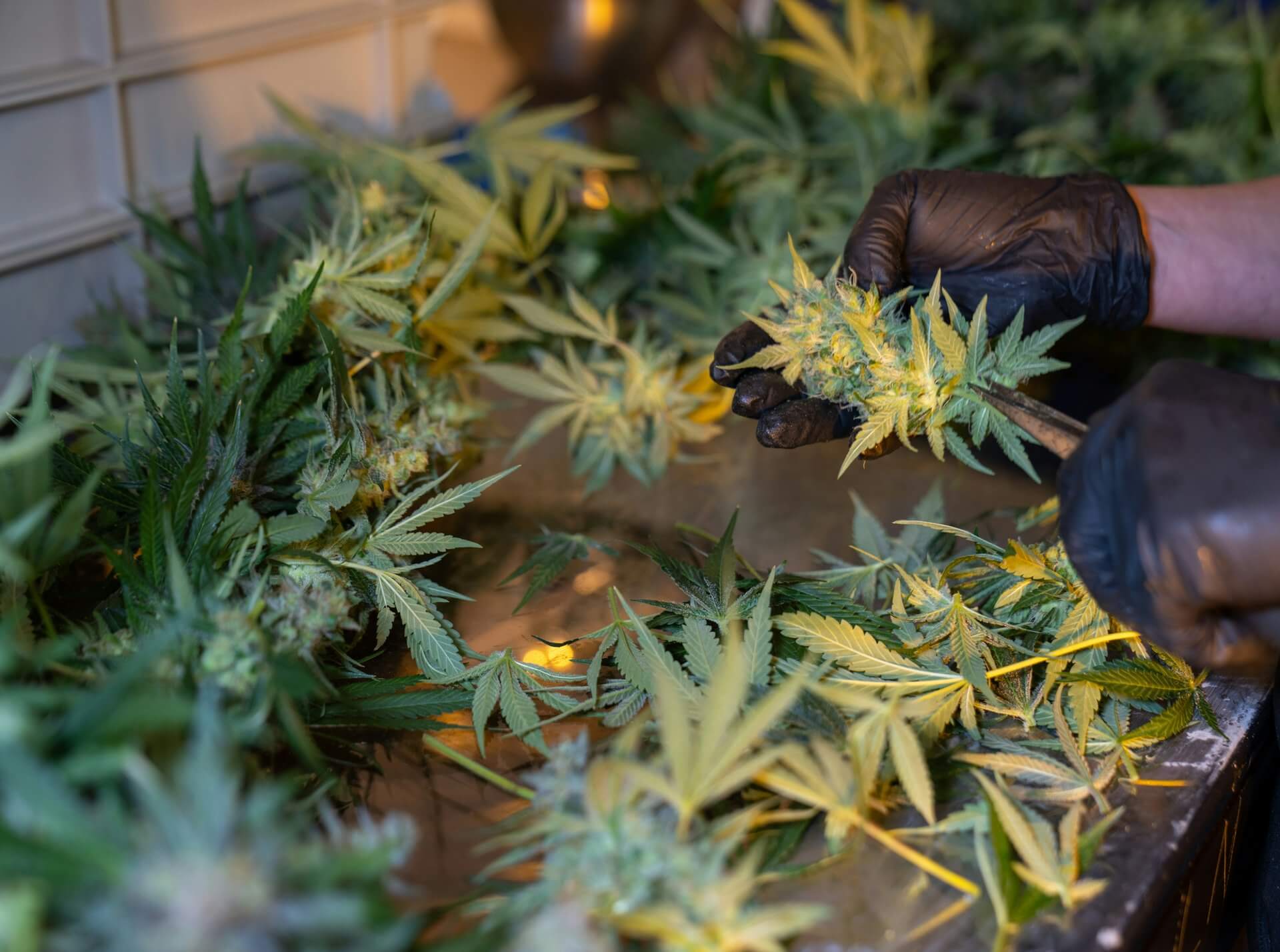
Ask a friend, a budtender, or your older cousin how to pick cannabis, and you'll probably hear the same rule of thumb: indica relaxes you, sativa energizes you, and hybrid lands somewhere in between. It's the story almost everyone learns first. But it's also just half the story.
What’s an Indica Strain?
Originating in the Hindu Kush mountain region spanning Afghanistan, Pakistan, and India, indica is short and bushy with broad leaves. That compact, dense growth style developed as an adaptation to the harsher mountain climate of its native region, where conditions favored a shorter, sturdier plant.
Popular indica strains include:
- Granddaddy Purple
- Northern Lights
- Purple Punch
- Blueberry
- Bubba Kush
What’s a Sativa Strain?
Originating from equatorial regions, including parts of Asia and America, sativa is tall and thin-leafed, with a longer flowering time as a result of adaptation to a region where a long, consistent growing season allows the plant to take its time stretching upward and finishing its flowering cycle slowly.
Popular sativa strains include:
- Sour Diesel
- Green Crack
- Jack Herer
- Durban Poison
- Maui Wowie
What’s a Hybrid Strain?
Hybrid strains refer to any cross between indica and sativa lines, marketed as offering a blend of both, sometimes leaning slightly one way or the other, sometimes marketed as balanced right down the middle.
Popular hybrid strains include:
- Blue Dream
- Girl Scout Cookies
- Wedding Cake
- Gelato
- Runtz
Where the Labels Came From
To understand why the indica/sativa split doesn’t tell the whole story when it comes to effects, it helps to go back to where these labels actually came from.
The indica/sativa split isn't a modern science category. It goes back to the 1700s, when botanists were merely describing what cannabis plants looked like. Carl Linnaeus classified tall, narrow-leafed hemp as Cannabis sativa. A few decades later, Jean-Baptiste Lamarck came across shorter, bushier plants from India and called them Cannabis indica.
That’s botanists doing what botanists do: describing morphology like plant height, leaf shape, branching pattern, and flowering time. Neither was measuring chemistry, because the tools to do that didn't exist yet. The idea that indica plants sedate and sativa plants energize was layered on much later, largely through folk knowledge and marketing, not laboratory data.
Over the next two centuries, growers crossbred these plants so extensively for potency, yield, and resilience that the original genetic lines blurred together. Today, the overwhelming majority of what's sold in dispensaries is technically a hybrid, no matter what the label says.
Why the Labels Stuck Around
If the science was shaky from the start, why did indica/sativa/hybrid classification become the industry standard? Mostly because it was simple and easy to sell, especially in the decades when cannabis existed largely in the shadow of prohibition and needed language anyone could grasp easily enough.
Once it caught on with growers, sellers, and consumers, it became the default vocabulary of the entire market, and it never really got replaced. The practical reason for that is the same need to make the classification easy enough for everyone to understand.
For a first-time customer or someone who just wants a quick mental shortcut, indica still signals probably mellow, and sativa still signals probably more energizing. Those signals are clear enough to narrow the search, and dropping them overnight wouldn't help anyone browse a menu. The smarter move is to use the label as a first filter, then look past it.
So, What Actually Determines the Effect?
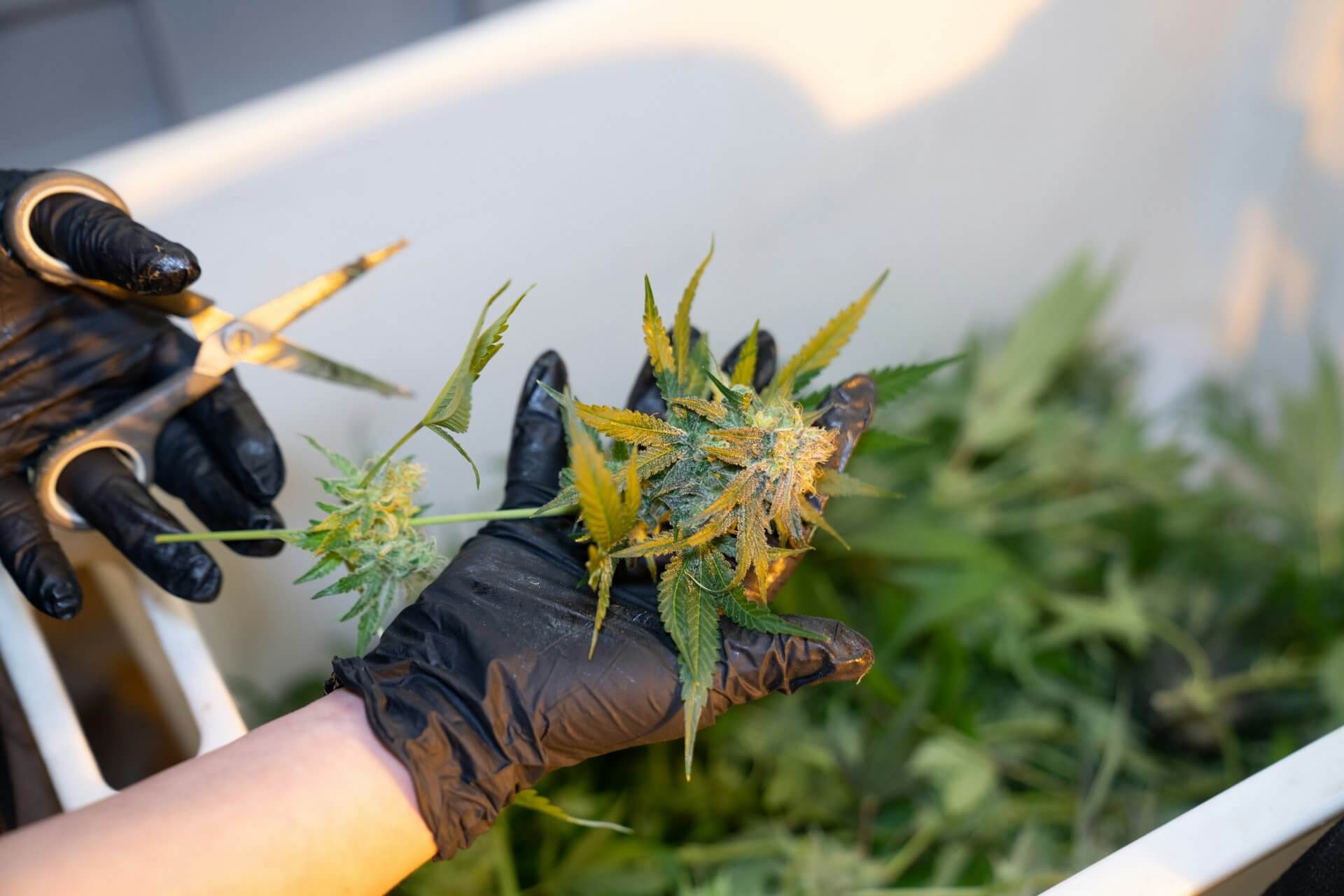
Research has repeatedly found that products labeled indica, sativa, and hybrid don’t consistently separate out into distinct chemical groups.
A 2022 analysis of roughly 90,000 commercial cannabis samples across several states found that plants sold under these three labels were chemically mixed together, with no clean line dividing them.
In other words, an indica and a sativa pulled off the same shelf can be chemically closer to each other than to other plants wearing the same label.
What actually shapes your experience depends on a variety of factors, like:
- Terpenes: These aromatic compounds, like myrcene, limonene, pinene, linalool, caryophyllene, and dozens more, are increasingly considered just as important as cannabinoids in shaping the experience, whether through direct interaction or by modifying how cannabinoids behave in the body.
- Minor cannabinoids: THC and CBD get most of the attention, but CBG, CBN, CBC, and others contribute in smaller but measurable ways, especially in combination with each other, which is often referred to as the entourage effect.
- Dose and potency: A high-THC product and a low-THC product with the same terpene profile can feel completely different in intensity, even if the type of terpene experience is similar.
- Method of consumption: Smoking, vaping, edibles, and topicals all change onset time, duration, and even which effects are emphasized, because of how the body processes cannabinoids differently through each route.
- Your body: Genetics, tolerance, body weight, metabolism, and even gut bacteria can all shift how a person responds to the exact same product.
- Mindset and setting: Mood, stress level, environment, and expectations genuinely influence subjective effects, something that is often underestimated.
Researchers are still working to understand exactly how these factors interact, but current evidence suggests they play a much larger role than the indica, sativa, or hybrid label alone.
How to Shop Smarter
Instead of relying on the label alone when shopping for cannabis products, try this:
- Check the terpene profile: Reputable, lab-tested products will list it.
- Notice the aroma (if possible): Citrusy and bright versus earthy and heavy gives you a glimpse into the terpene profile, too.
- Check the full cannabinoid profile: Go beyond the THC percentage. A small amount of CBD or CBG alongside THC can noticeably change how a product feels.
- Track your own reactions: Your body, tolerance, and even what you ate that day all influence your experience. The same product can hit two people (or even the same person on two different days) differently.
- Talk to your budtender: They see real customer feedback on real batches, which beats any label.
Quality Roots Budtenders Can Help You Choose
It’s not that the indica, sativa, and hybrid classification is useless. It’s just that it doesn’t tell you the whole picture. The rest of the story lies in the chemotype, the specific cannabinoids and terpenes working together in that particular batch, in that particular jar. That’s what our team at your nearest Quality Roots location can walk your though and help you choose the right product.