
What Are Exotic Weed Strains?
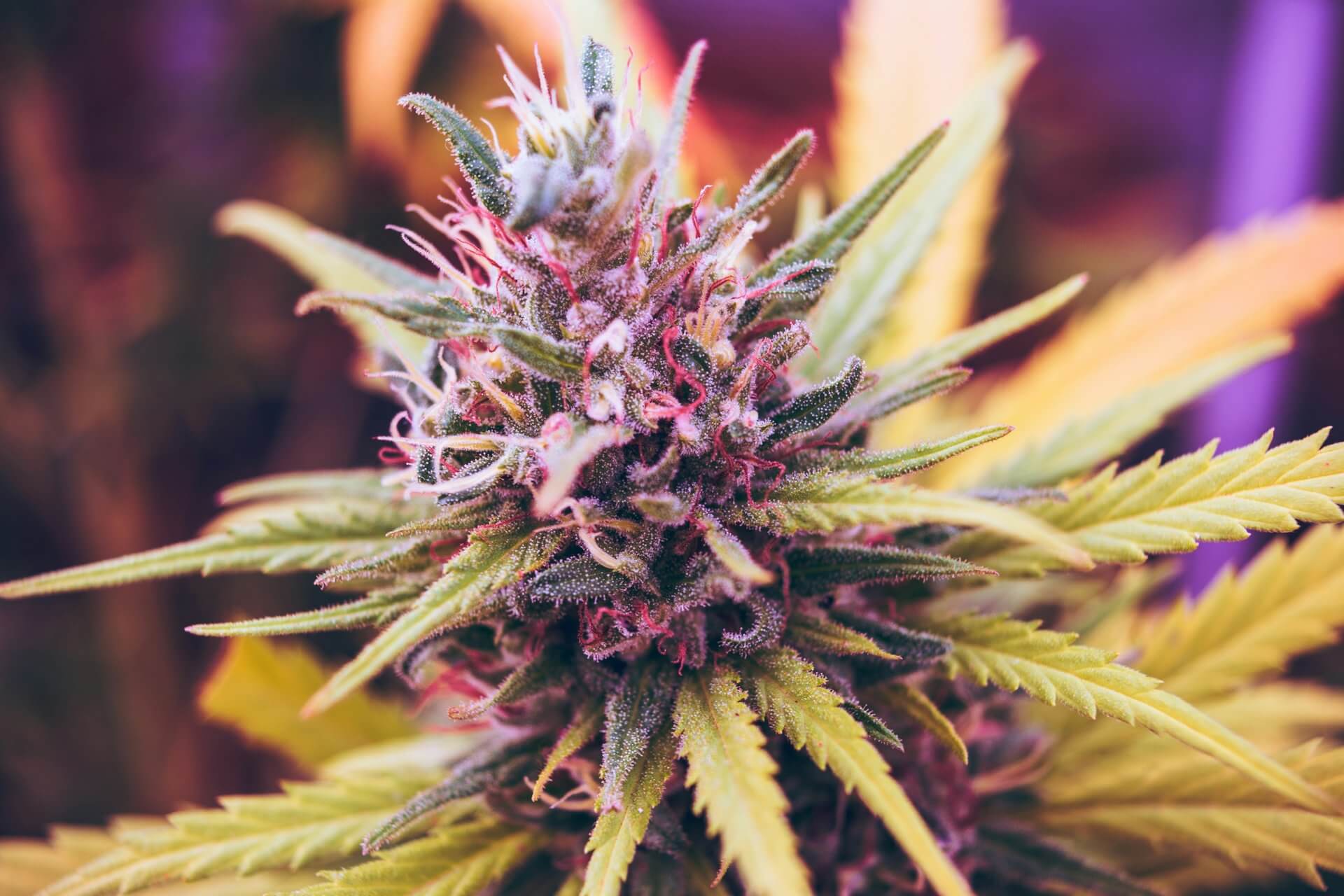
If you looked at a dispensary menu right now, you'll run into the word "exotic" attached to a good portion of the shelf. Sometimes it’s capitalized, other times it’s shortened to slang like "zaza," but it always comes with a heftier price tag. Since that's the case, it's only fair to ask—what does that word actually mean, and what exactly are you paying the premium for?
So, What Makes a Strain Exotic?
The word "exotic" doesn’t have a regulated, industry-standard definition. There’s also no government agency to police how the word gets used on a shelf tag. It started as street slang, worked its way through music and pop culture, and eventually ended up on dispensary menus.
That said, there are a handful of real characteristics that make a strain exotic:
- Rare or unusual genetics: Specialized crosses, limited phenotypes, or small-batch breeding projects are considered exotic, unlike strains being grown by dozens of cultivators simultaneously.
- A complex, layered terpene profile: Aroma and flavor combinations that go beyond a standard earthy or skunky baseline.
- Distinctive visual appearance: Deep purples, vivid orange or red pistils, unusual bud structure, or unusually heavy trichome coverage.
- Regional scarcity: A strain that's genuinely hard to find in your specific market, not just new to you.
That last point is especially important. A strain that's been sitting on a particular dispensary's shelf for two years isn't exotic to anyone who shops there regularly, even if that same strain would turn heads somewhere it's never been distributed before. It's a moving target by design, which is part of why the word resists a clean, permanent definition.
Exotic vs. Top Shelf: What’s the Difference?
This is where a lot of shoppers get confused, and understandably so, since the two terms get used interchangeably even though they describe different things.
Top shelf is about execution. How well the flower was actually grown, cured, and handled, regardless of how common or rare the genetics are. A well-grown batch of a familiar strain like OG Kush can absolutely be top shelf, but it's not exotic.
Exotic is about genetics and rarity. Unusual lineage, a distinctive terpene profile, and limited availability are all independent of how well any particular batch was grown.
Here's how the two compare in areas that matter the most.
| Exotic | Top Shelf | |
|---|---|---|
| Defined by | Rare genetics and unique terpenes | Cultivation and processing quality |
| Genetics | Limited or specialty crosses | Can be common or rare |
| Terpene complexity | Typically high and distinctive | Well-preserved, but may be simpler |
| Availability | Limited, often rotating | Consistent within a store’s tier |
| Price point | Highest | High |
Why Are Exotic Strains More Expensive?
The higher price tag mostly comes down to scale and effort. Exotic cannabis genetics are often grown in smaller batches by boutique breeders, which means less flower to spread costs across and a lot more hands-on attention per plant. That translates to closer monitoring, more selective pheno-hunting, and often longer curing times to preserve a delicate terpene profile.
Then, there are licensing fees for proprietary genetics, the labor of hand-trimming instead of machine-processing, and the simple economics of limited supply meeting high demand, and you can see how the markup makes sense as a reflection of real production differences.
Popular Exotic Cannabis Strains
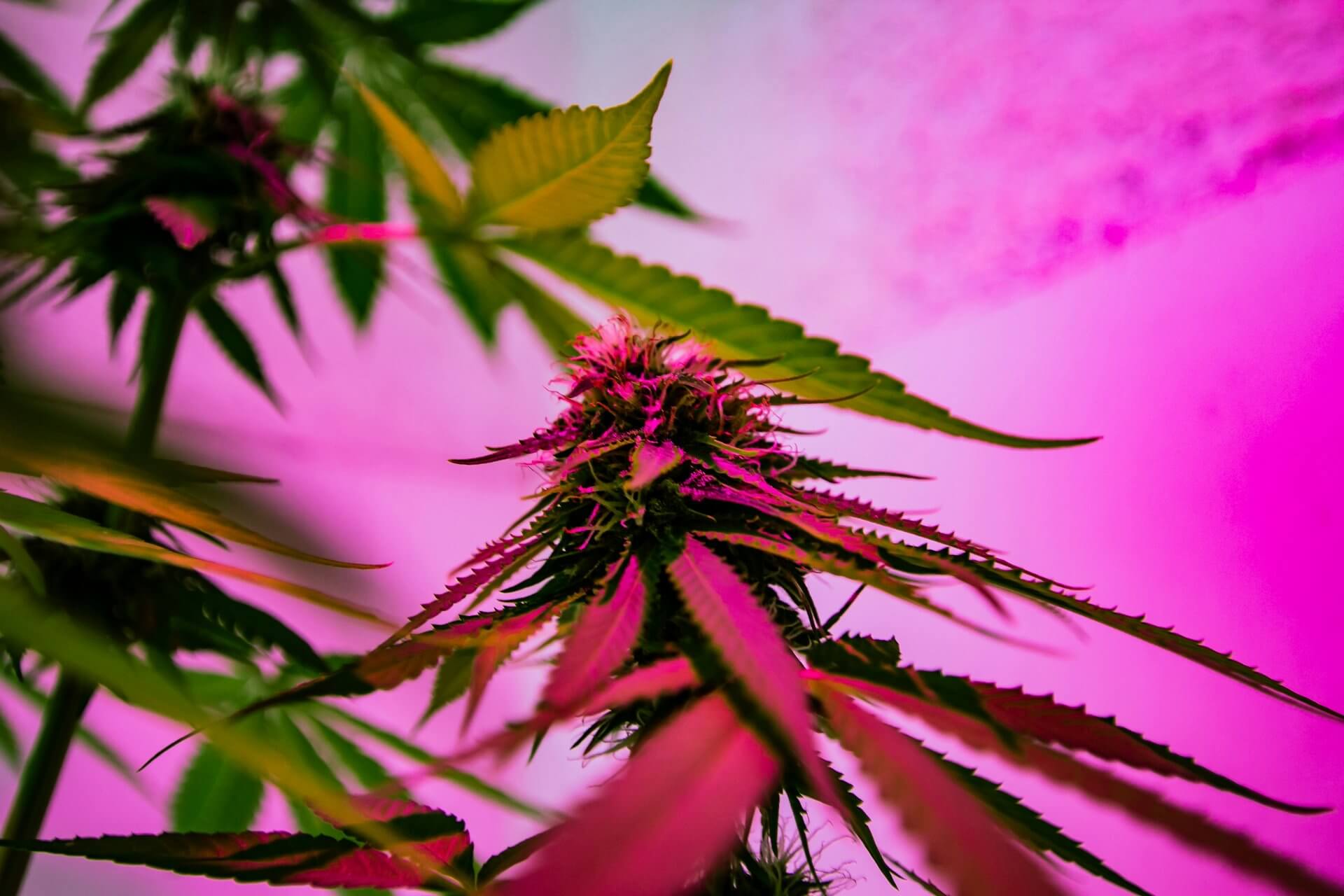
While "exotic" is a moving target by nature, a handful of strains have earned the label consistently enough through rare genetics, standout terpene profiles, or limited-batch breeding to become recognizable names within that category.
- Permanent Marker: A three-way cross of Biscotti, Jealousy, and Sherb BX, one of the most talked-about "hype drop" strains of the past few years, known for its loud, marker-and-gas aroma and tightly limited availability from top breeders.
- MAC 1 (Miracle Alien Cookies): Bred by Capulator, it’s widely considered one of the defining exotic strains of the modern era for its complex, citrus-and-diesel terpene profile and closely guarded genetics.
- Kush Mints: A cross of Bubba Kush and Animal Mints, prized for its minty, gassy profile and its role as a parent strain behind dozens of newer exotic crosses.
- Jealousy: A cross of Sherbet Bx1 and Gelato #41, known for its sweet, gassy complexity and its frequent appearance as a building block in other sought-after exotic strains.
- Oreoz: A cross of Cookies and Cream and Secret Weapon, notable for its dense, frosty bud structure and a rich, earthy-sweet aroma.
- Grape Gas: A cross of Purple Punch and GMO, known for a loud grape-and-fuel terpene profile that's become a favorite among concentrate makers specifically.
- Larry OG: An elite OG Kush phenotype that's remained a benchmark reference strain in exotic circles for its citrus-pine intensity, even decades after it first began circulating.
Part of what keeps names like these exotic is that they don't stick around on every shelf, all the time. So, if you’re looking to check out one of these and happen to stumble onto it on a dispensary menu, you’d better act quickly!
How to Spot the Real Thing (And Not Overpay for Hype)
Because "exotic" isn't a certification, the burden of figuring out whether it's earned falls partly on you as the shopper. A few practical things worth checking before assuming a higher price tag is justified:
- Ask about the terpene profile specifically, not just the strain name: A truly complex, layered aroma is one of the more reliable indicators, and a knowledgeable budtender should be able to describe it in detail.
- Look at trichome coverage and bud structure closely: An unusually frosty, visually distinctive flower is a real, checkable signal.
- Notice how often the strain shows up on menus: Something that's been in steady rotation at your dispensary for a year is a known quantity, not a rare find, regardless of what the shelf tag says.
- Buy from a licensed, reputable source: This matters more here than almost anywhere else, since a word this loosely regulated is exactly the kind of thing that gets stretched furthest by less careful sellers.
Find the Best Exotic Strains at Quality Roots
Since the word "exotic" is a characterization, not a certification, it means something different depending on the store, the state, and even the season. The real version is absolutely worth seeking out, but it’s also worth knowing what makes for the real deal.
Drop by your nearest Quality Roots location when you’re ready to give exotic strains a try. Our team can walk you through what makes a specific product exotic, top shelf, or somewhere in between, so you know what you're actually paying for before it's in your hand.