
A Beginner-Friendly Guide to Cannabis
If you’re new to cannabis, the amount of information out there can read like a chemistry textbook, with all the strains, percentages, terpenes, consumption methods, and serving charts. It's easy to feel like you need a degree just to pick out a gummy. You don't.
None of this is complicated when you know the basics, and that's really what this guide is—the fundamentals, explained clearly, so your first (or fifth) trip to the dispensary feels easy, and you can walk in with a clear sense of what to expect.
What Is Cannabis?
Cannabis is a plant that produces over a hundred different compounds called cannabinoids, with the two most well-known being THC and CBD. THC (tetrahydrocannabinol) is the primary psychoactive compound, the one that produces the "high." CBD (cannabidiol) doesn't produce intoxication on its own and is more commonly associated with calm, relaxation, or general wellness use.
Alongside cannabinoids, cannabis also produces terpenes, which are the aromatic compounds responsible for a product's smell and flavor. Terpenes appear to influence the overall experience alongside cannabinoids, which is part of why two products with similar THC levels can feel different depending on their terpene profile.
THC vs. CBD: The Rundown
If you close this article remembering only one thing, let it be the distinction between THC and CBD. Here it is, broken down in a table.
| THC | CBD | |
|---|---|---|
| Psychoactive? | Yes | No |
| Commonly reported effects | Euphoria, relaxation, altered perception, and an increase in appetite | Calm, reduced tension, no intoxication |
| How it works | Binds directly to CB1 receptors in the brain | Interacts indirectly with the endocannabinoid system |
Many products blend the two in different ratios. A higher CBD-to-THC ratio generally means a gentler, less intense experience. People usually choose these products when they want the potential benefits of cannabis without a strong high.
Indica, Sativa, and Hybrid Classification
You'll see cannabis products labeled indica, sativa, or hybrid almost everywhere. Traditionally, indica is associated with relaxation, sativa with energy, and hybrid with a mix of both. In practice, modern lab testing has found these labels don't reliably predict effects the way people assume.
What actually shapes the experience is the specific cannabinoid and terpene profile of that particular product, not which of the three categories it's filed under. That's not to say the labels are meaningless, just that they're a starting point for a conversation, not a guarantee of how you'll feel.
Ways to Consume Cannabis
How you consume cannabis changes how fast it kicks in, how long it lasts, and how easy it is to control your dose.
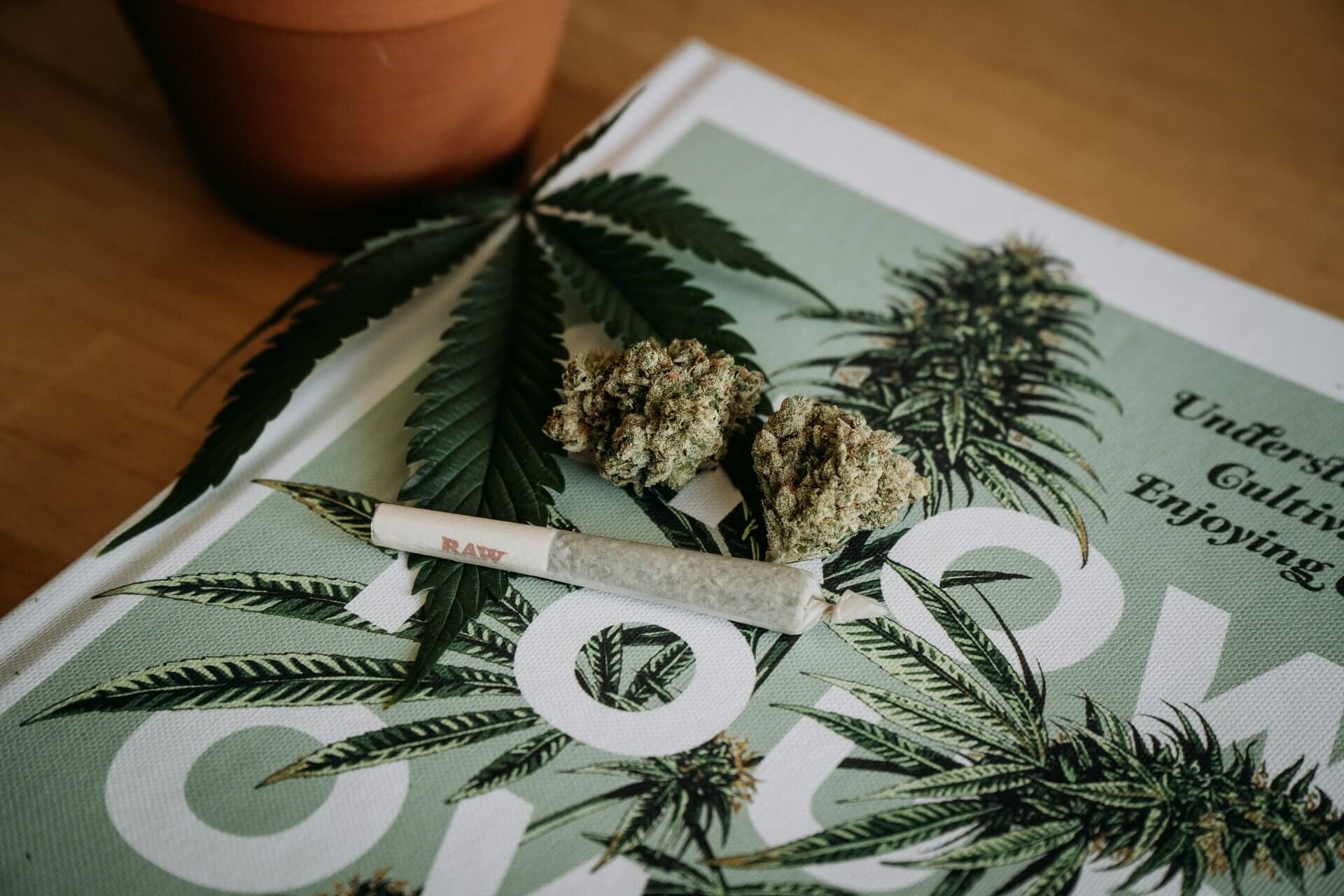
- Flower and pre-rolls: Smoked, with effects felt within minutes. Easy to control the amount in the moment, since you can stop as soon as you feel enough.
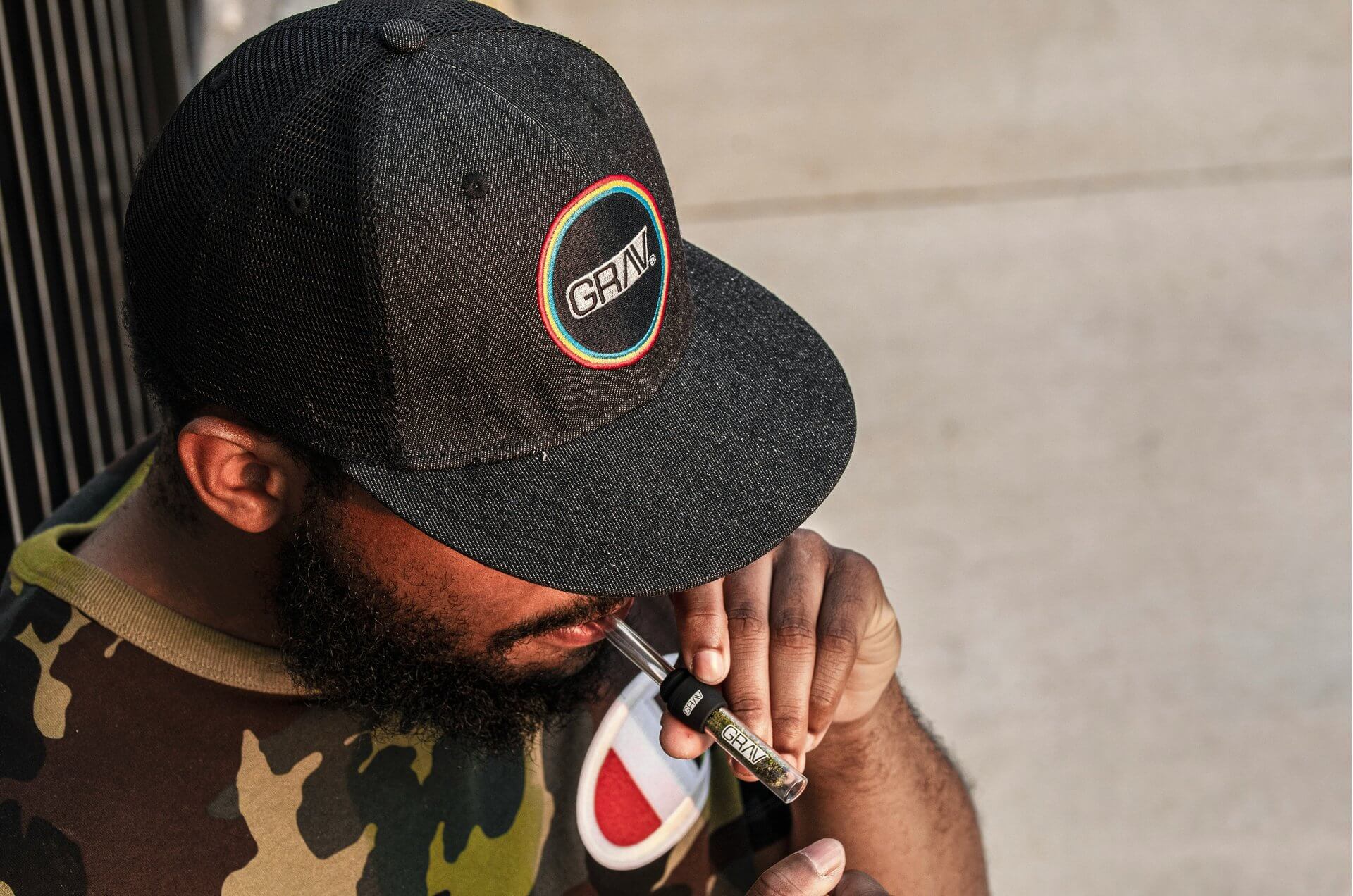
- Vaporizers and cartridges: Also fast-acting, generally within minutes, with a smoother inhale than combustion.
- Edibles: Gummies, chocolates, and infused drinks. Onset is delayed, often 30 minutes to 2 hours, with effects that last considerably longer than inhaled products.
- Tinctures: Taken under the tongue, with an onset somewhere between inhalation and edibles.
- Concentrates: More potent extracts consumed with specialized devices, generally better suited to more experienced consumers.
- Topicals: Creams, balms, and lotions applied to the skin, typically used for localized relief without a psychoactive high.
Edibles are where beginners should really take it easy. Because they take longer to kick in, it's easy to assume a dose "isn't working" and take more before the first dose has even taken effect.
Potential Effects of Cannabis
Effects vary from person to person, and even from day to day for the same person, but commonly reported effects include:
- Euphoria and mood elevation
- Relaxation and reduced stress
- Heightened sensory perception
- Increased appetite
- Altered sense of time
- Short-term memory changes while under the effects
- Dry mouth and, occasionally, dry eyes
At higher doses, or for less experienced consumers, THC can also produce anxiety, paranoia, or a racing heart. This is why beginners are always encouraged to start low and go slow.
How Much Should a Beginner Take?
There's no universal starting dose, since factors like body chemistry, tolerance, and even what you've eaten that day all play a role in the effects. But the general rule of thumb for inhalable products is to start with one to two puffs and wait a few minutes to gauge the effect before continuing.
When it comes to edibles, start with 2.5–5mg of THC, then wait at least two hours before considering more because edibles take more time to kick in.
Don’t aim to get as high as possible in your first session. Look at it as a journey, and the first session as a way to learn how your body responds to cannabis and different types of products so you can make informed choices going forward.
Buy From a Licensed, Reputable Store
You don’t have to memorize strain names and have cannabinoids all figured out before hitting a dispensary. Our budtenders at Quality Roots will meet you where you are. They’re always happy to walk you through the menu, answer any questions you may have, and help you find something that actually fits what you're looking for. Find your nearest location and come say hi.