
Understanding Flavonoids and How They Affect Us
What are Flavonoids?
Contrary to what the name might suggest, flavonoids are compounds that are produced during a plant's growth cycle and are responsible for giving plants their pigmentation, preventing disease, filtering ultraviolet rays, and attracting pollinators.
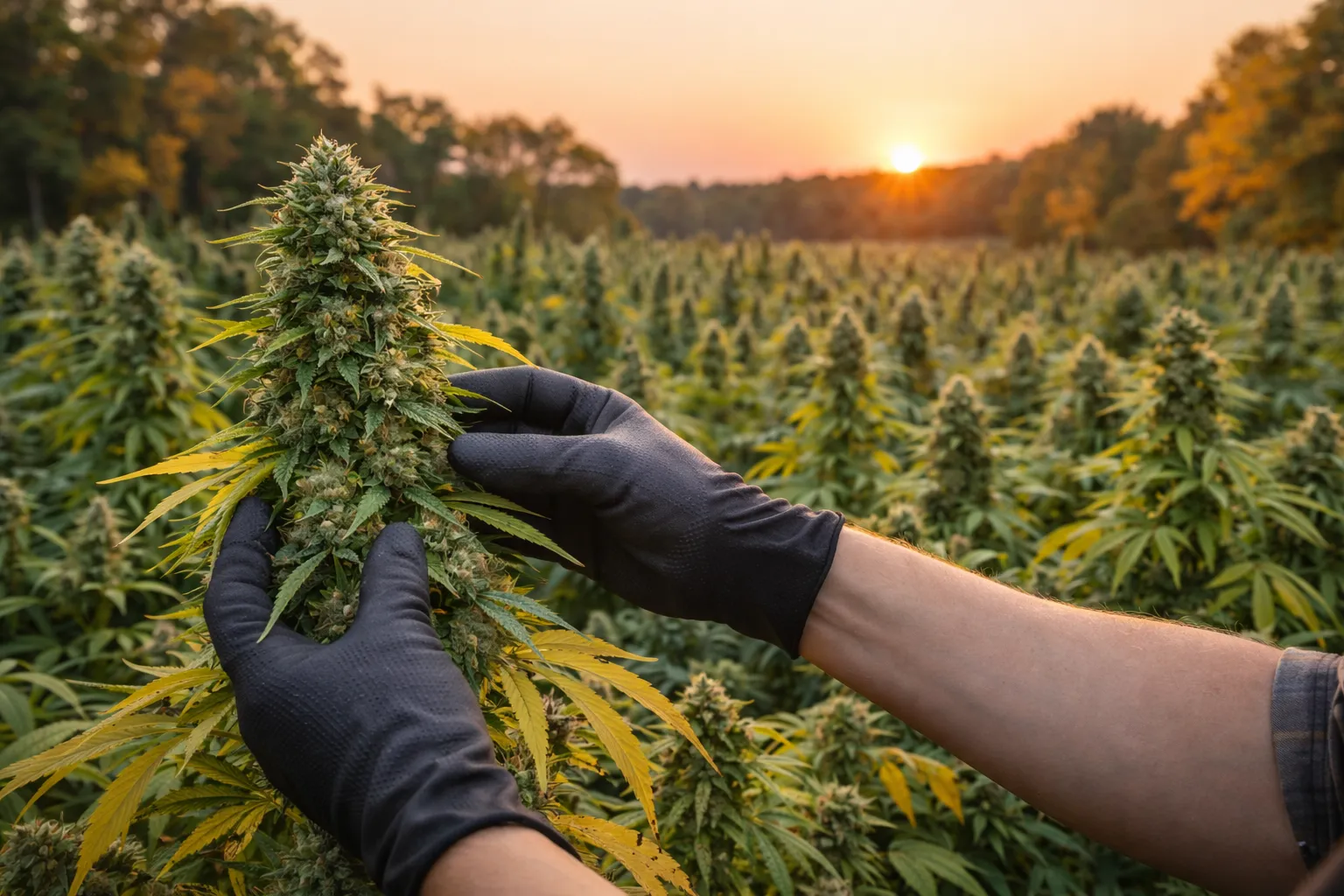
Flavonoids can be found in cannabis; however, not all of them are unique to the cannabis plant, as many exist in most fruits, vegetables, and flowers. There are more than five thousand naturally occurring flavonoids, and about 20 can be found in the cannabis plant.
Flavonoids can be therapeutically active and play a role in the entourage effect by working synergistically with phytocannabinoids and terpenes to enhance or modulate the medicinal effects of cannabis.
Explore cannabis products rich in flavonoids, terpenes, and cannabinoids.
Shop NowTherapeutic Potential
Laboratory studies have shown flavonoids to have anti-inflammatory, antioxidant, antifungal, antibacterial, antiviral, anticancer, and anti-allergic properties. For example, flavonoids in green tea have been shown to decrease the risk of gastric cancer in women.
Another study found that an intake of flavonoids was protective against smoking-related cancers. Other dietary flavonoids from berries, green tea, and cocoa may lower the risk of type 2 diabetes and cardiovascular disease.
Flavonoids in Cannabis
Some prominent flavonoids in cannabis include quercetin, apigenin, and cannaflavins A and B.
Quercetin
Quercetin is present in many popular fruits and vegetables, like onions and berries, and can be found in green tea and red wine. Quercetin is a potent antioxidant and has antiviral and anticancer properties.
Apigenin
Apigenin is another flavonoid in cannabis that is also found in celery, parsley, and chamomile tea and has been shown to have anti-inflammatory and anti-anxiety effects.
Cannaflavins A and B
A subset of flavonoids called cannaflavins are cannabis specific flavonoids discovered in 1986 by researcher Marilyn Barrett at the University of London. These cannaflavins, specificallycannaflavins A and B, are shown to have potent anti-inflammatory effects, 30 times more effective than aspirin!
The Entourage Effect
It appears that terpenes and cannabinoids are the primary focus in discussions of the entourage effect; however, flavonoids also play an important role. The entourage effect is the understanding that compounds within the cannabis plant work better together than isolated from one another.
Flavonoids produce therapeutic properties on their own but act differently in the presence of other compounds. For example, some flavonoids can–by inhibiting certain enzymes–partially block the metabolism of THC or CBD, ultimately altering the type of high you will experience.
While the limited research on the therapeutic uses of flavonoids is promising, it is important to note that most current studies use isolated flavonoids derived from non-cannabis plants. Isolated flavonoids may act differently than flavonoids in the presence of other cannabis compounds.
Explore Flavonoid-Rich Cannabis at Quality Roots
Ready to experience the full entourage effect with flavonoid-rich cannabis? Quality Roots offers premium flower, concentrates, and edibles at locations across Michigan and New Jersey. Our products preserve the natural flavonoids, terpenes, and cannabinoids that work together for maximum therapeutic benefit. Find us in Monroe, Detroit, Battle Creek, Owosso, Hamtramck, Berkley, Kalamazoo, Madison Heights, Waterford, Evesham, and Marlton.
Experience the entourage effect with flavonoid-rich cannabis products.
Experience the entourage effect with fla