
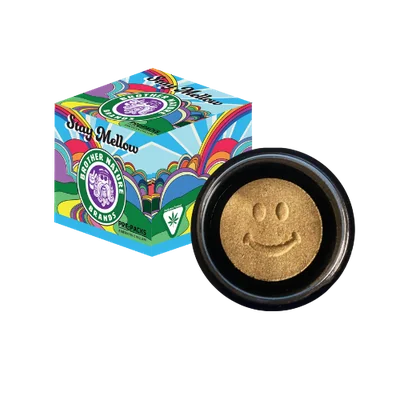


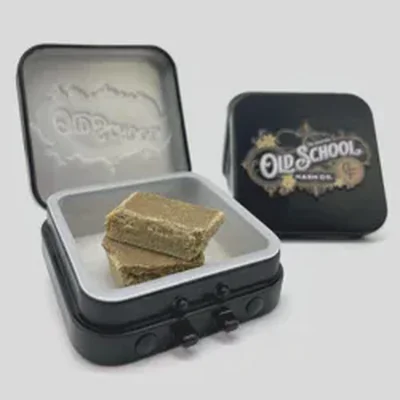
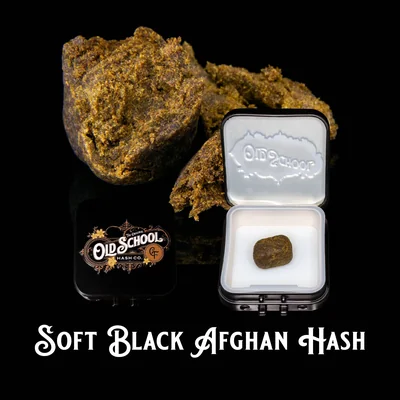
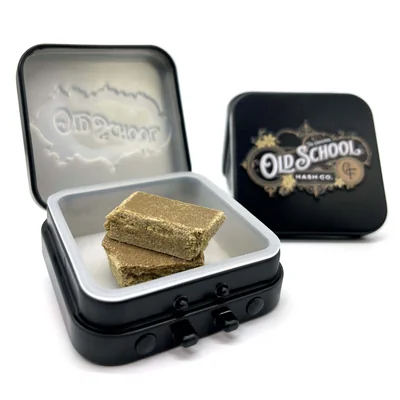
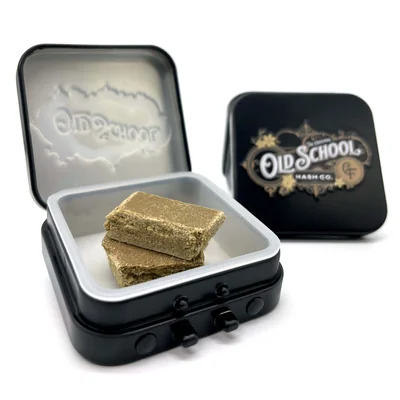
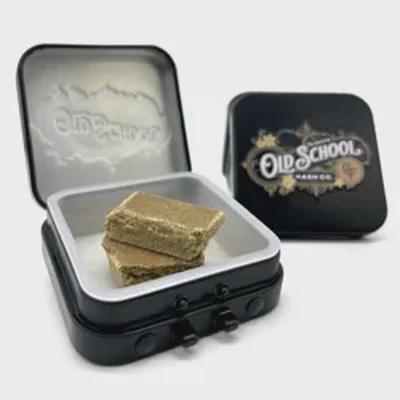
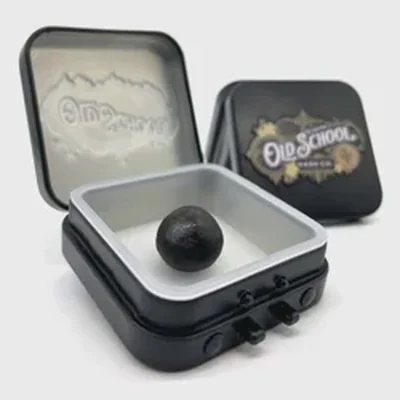
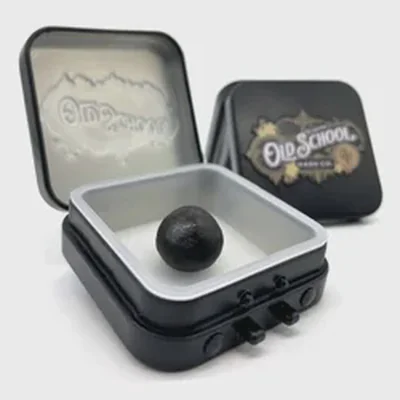
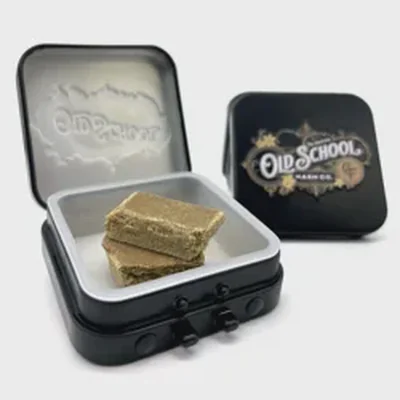
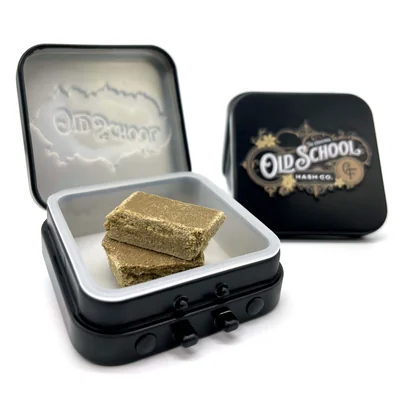
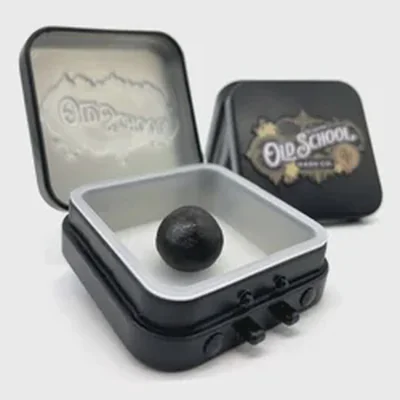
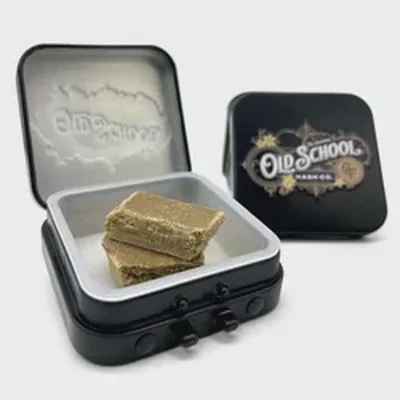
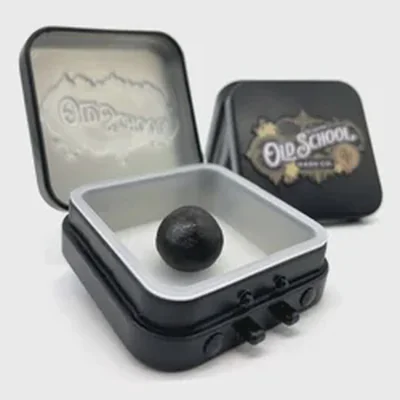
Hash is one of the oldest cannabis concentrates around, made by separating and compressing trichomes (the tiny resin glands that coat the cannabis flower) away from the rest of the plant. The result is a concentrated, flavorful product that’s been part of cannabis culture for centuries, even before modern extraction methods were a thing. Depending on how it’s made, hash can be smoked, dabbed, or crumbled into flower for an extra kick.
Types of Hash (Hashish) We Carry
What sets one type of hash apart from the other is how the trichomes are separated from the cannabis plant. At Quality Roots, we carry a wide selection of different types of hash across our dispensary locations in Michigan and New Jersey.
- Dry sift hash: Made by sifting dried cannabis over fine mesh screens until the trichome heads separate from the plant material. It can also be pressed into a workable block afterward. It’s one of the more traditional methods, and if it’s done well, the result is a clean, potent product with minimal plant matter.
- Bubble hash (ice-water hash): Made by agitating cannabis in ice-cold water, which causes the trichomes to break off and sink. Those trichomes are then filtered through a series of mesh bags and dried. This method tends to produce a purer, more refined hash than dry sifting alone, and it’s often the starting material used to press hash rosin.
- Pressed hash: Dry sift or bubble hash that’s been compressed using pressure or heat, giving it a denser, more moldable texture that’s easier to break apart and pack. Pressing also helps activate some of the cannabinoids, giving pressed hash a different effect than its loose, unpressed form.
How to Choose the Right Hash for You
Hash spans a wide potency range, depending on how it’s made, but it’s generally more approachable than concentrates like shatter or diamonds, which makes it a solid starting point if you’re curious about concentrates but not ready to dive into dabbing.
If you want something clean and traditional, dry sift hash is a good place to start. It’s simple to make and easy to crumble over flower. If purity and refinement are what you’re after, go with bubble hash. It’s a step up thanks to that extra washing process that filters more of the plant matter.
Pressed hash is a good option if you want something denser and easier to handle, especially if you’re planning to break it apart for a bowl or a joint instead of dabbing it on its own.
Don’t Know Which Hash to Go With? We’re Here to Help
Unsure where to start? How about at your nearest dispensary location, where our staff can walk you through hash and cannabis products to make sure you end up loving what you got? Give our deals page and clearance section a glance every now and then to keep up with rotating discounts, and join our rewards program to save an average of 15% on orders over time.
Hash FAQs
Kief is the loose, unprocessed trichome powder collected off cannabis flower, usually caught in the bottom of a grinder. Hash is what you get when that kief (or trichomes separated another way, like ice-water washing) gets compressed with heat and pressure. In short, hash is the more processed, more concentrated step beyond kief.
No. Hash on its own is just compressed trichomes, with no additional extraction method involved. Hash rosin is a separate step further, where that hash gets pressed under heat and pressure to squeeze out a purer, oil-like concentrate. So, hash rosin is made from hash, but it’s a different product with a different texture and potency.
Hash is flexible. It can be crumbled or mixed into a bowl or joint alongside flower for extra potency, vaporized in a compatible device, or dabbed on its own if the texture is soft enough to work with a rig or nail. Bubble hash of high enough quality (often called full-melt) is prized specifically for dabbing since it melts cleanly with minimal residue.
Depends on who you ask. Neither is objectively better—they’re just made differently. Bubble hash goes through an ice-water washing step that generally results in a purer, cleaner product with less plant material. Dry sift skips that step and relies on mechanical sifting alone, which is simpler, but can leave more variability in purity, depending on how finely it’s sifted.
Hash typically tests higher than flower since it’s concentrated trichomes as opposed to the whole plant material. Hash potency has a lot of range. It can land anywhere between 20% and 80% THC, depending on the quality and the method. That’s still higher than flower, which usually tops at around 30%.